
Veterinary Waste Management Services

Veterinary Waste Management

What is Veterinary Waste?

Veterinary waste refers to any waste generated during the treatment, care, or handling of animals. This can include infectious materials, sharps, pharmaceuticals and other hazardous waste that requires specialist disposal.

To protect public health and the environment, veterinary waste must be correctly segregated, stored, collected and disposed of in line with current regulations. Improper disposal can lead to contamination, the spread of infection and potential non-compliance penalties.

Examples of Veterinary Waste

Veterinary practices generate several different types of waste during the treatment and care of animals.

This can include infectious waste contaminated with blood, bodily fluids, or other potentially harmful substances, sharps waste such as needles, syringes, and scalpels, pharmaceutical waste, including expired or unused medications and vaccines and anatomical waste, such as animal tissues, organs, body parts, or carcasses.

Other waste streams may include chemical waste, laboratory waste and general non-hazardous waste, each requiring appropriate handling and disposal procedures.

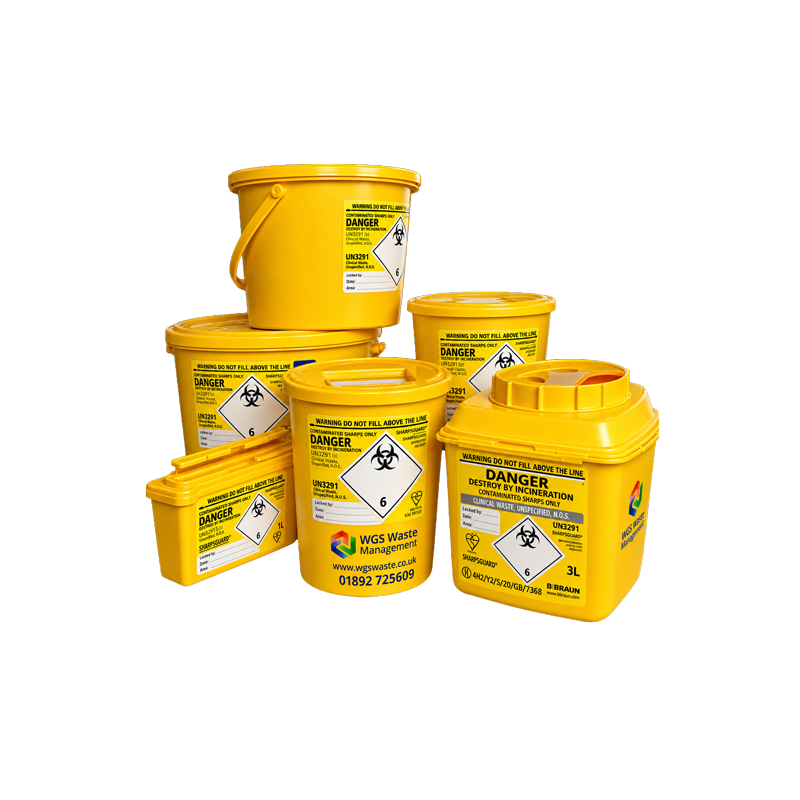
Several yellow hazardous waste containers with warning labels are displayed against a white background.

Hazardous sharps

Anatomical Waste

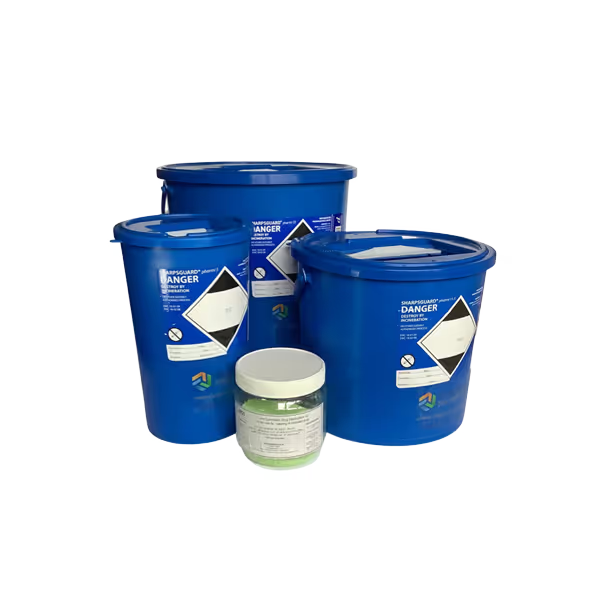
Four blue chemical containers of different sizes, one with a warning label, arranged together.

Pharmaceutical Waste

Disposal of Waste Types

Types of Waste in Veterinary Practices

Sharps Waste

Items that can puncture skin and carry infection:

  • Needles & syringes
  • Scalpel blades
  • Broken glass

All the above must go into approved sharps containers.

Pharmaceutical Waste

Medicines used in treatment

  • Expired drugs
  • Unused anaesthetics
  • Controlled drugs (e.g. opioids used for pain relief)
  • Vaccine vials

Controlled drugs have strict legal disposal requirements

Anatomical Waste

Animal body parts or whole carcasses

  • Removed tissue from surgery
  • Organs
  • Deceased animals (depending on disposal route)

Requires specialist disposal (often incineration or cremation)

Infectious Waste

Waste contaminated with pathogens from animals

  • Blood-soaked dressings, swabs, bandages
  • Animal tissues or bodily fluids
  • Waste from animals with infectious diseases (e.g. parvovirus)
  • Contaminated bedding or materials

Usually classified as hazardous clinical waste and must be incinerated

Offensive Waste

Non-infectious but unpleasant

  • Animal bedding
  • Faeces and urine (if not infectious)
  • PPE not contaminated with infectious material

Usually lower risk but still requires proper handling

Veterinary Waste Disposal

Storage of Veterinary Waste

Veterinary waste should be separated into the correct waste streams and stored in secure, clearly labelled containers to reduce contamination risks and maintain compliance. Sharps must be placed in approved sharps bins, while hazardous and infectious waste should be stored safely until collection.

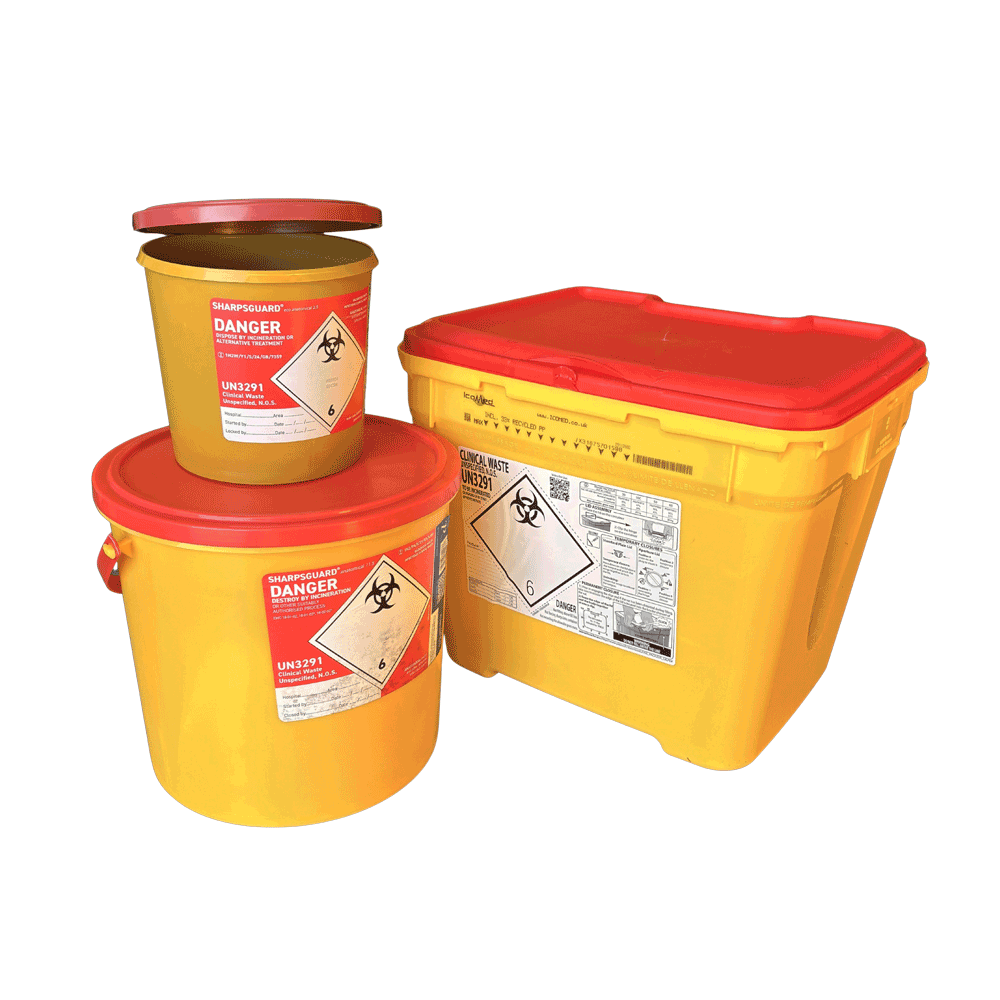
UN Approved Storage Containers

At WGS Waste Management, we provide UN approved storage containers for the safe storage and transportation of veterinary waste. We also offer regular collections and expert support to help veterinary practices safely manage and store their waste.

Why Choose WGS Waste Management?

We provide reliable and fully compliant veterinary waste disposal services tailored to the needs of veterinary practices and animal care facilities. Our services are designed to keep your practice safe, efficient and fully compliant.

Our key services include:

  • Scheduled veterinary waste collections
  • Secure waste containers and sharps bins
  • Fully licensed and compliant waste carriers
  • Flexible collection schedules
  • Friendly, professional support team

Call us today on 01825 725609 or email your enquiry to info@wgswaste.co.uk
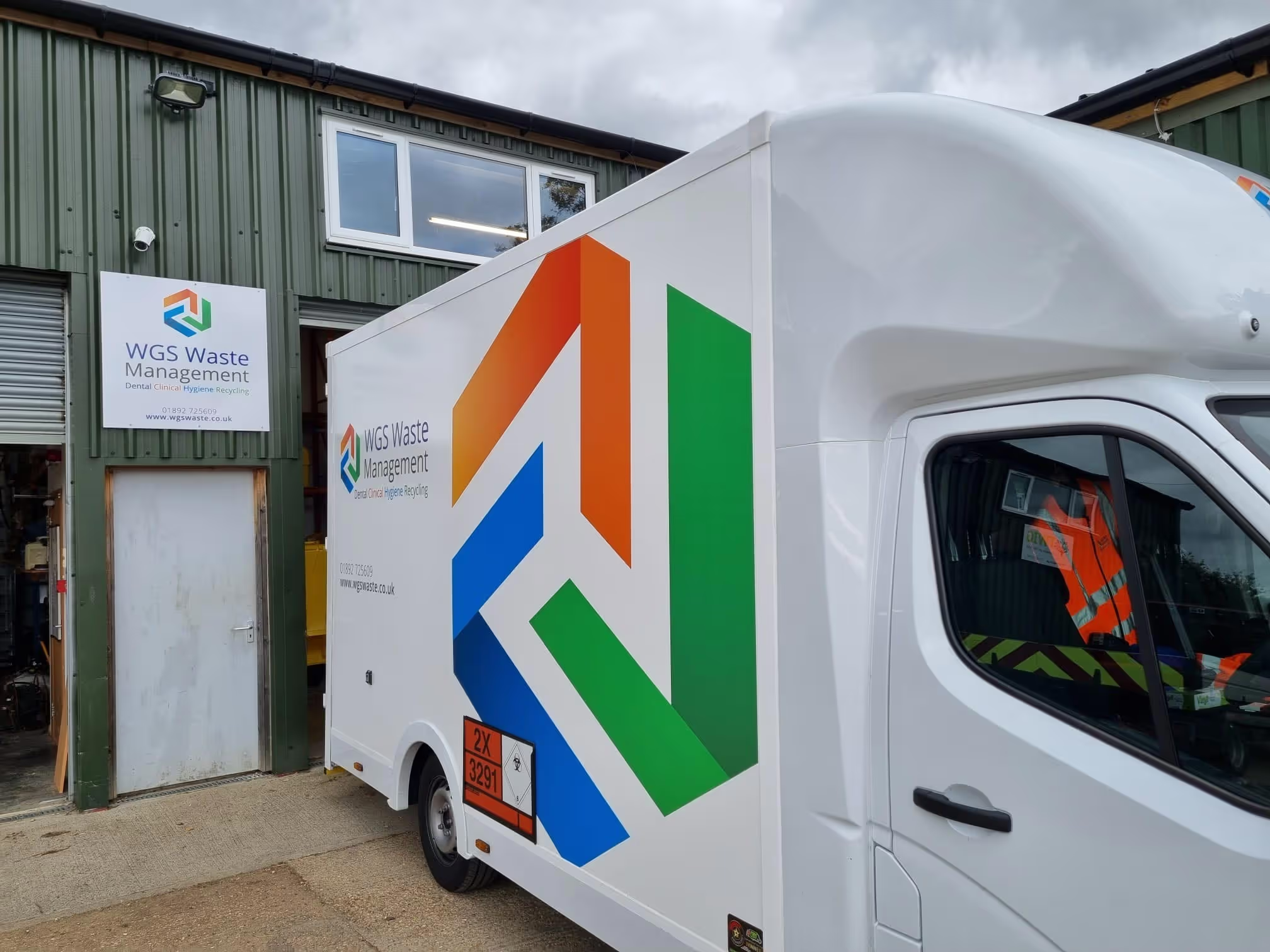
A white waste management truck is parked outside a building with a WGS Waste Management sign.
Trusted Waste Management Partner

Why Use WGS Waste Management

Compliant & Reliable

Fully licensed and accredited waste management you can trust, delivering safe, compliant collections tailored to your business.

Simple, Personal Service

Dedicated support, flexible collections and clear, fixed pricing.  No hidden costs, no unnecessary complexity.

Environmentally Responsible

Focused on reducing landfill through recycling and sustainable processes that support your environmental goals.
Customer Reviews

What Our Customers Say

Veterinary Waste Disposal

Frequently Asked Questions

Q. What types of veterinary waste do you collect?

A. We collect all key veterinary waste streams including clinical, infectious, sharps, pharmaceutical, chemical, animal tissue and general waste.

Q. How should veterinary waste be stored?

A. Waste should be segregated at source and stored in secure, clearly labelled containers. Sharps must go in approved sharps bins, while hazardous and infectious waste should be kept in sealed, colour-coded containers until collection.

Q. How often is veterinary waste collected?

A. We offer flexible, scheduled collections based on your practice’s needs. Regular collections help keep your site compliant, safe and free from waste build-up.

Q. Why is professional veterinary waste disposal important?

A. Proper disposal reduces infection risks, prevents environmental harm and ensures full regulatory compliance.

Q. Is WGS licensed to handle veterinary waste?

A. Yes. WGS Waste Management is a fully licensed waste carrier, ensuring all veterinary waste is collected, transported and disposed of in line with environmental regulations and industry compliance standards.