What is Pharmaceutical Waste?
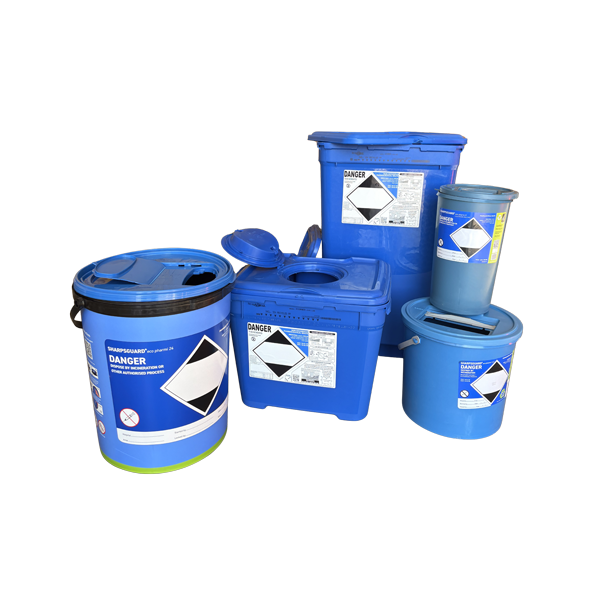
Pharmaceutical waste refers to any expired, unused, contaminated, damaged, or unwanted medicines and related products that are no longer suitable for use. These items should not be stored for longer than six months before destruction.
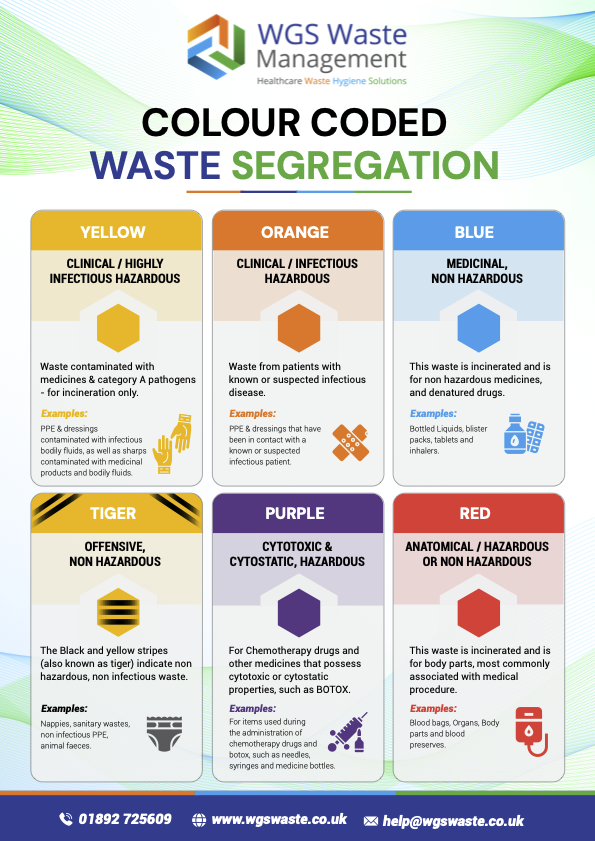
All expired, damaged, contaminated, or unwanted medicines must be segregated into the appropriate pharmaceutical waste stream prior to collection.
Controlled drugs often have additional legal requirements relating to storage, destruction, witnessing and documentation before disposal.
Pharmaceutical waste can pose significant risks to human health and the environment if it is not handled and disposed of correctly. Some substances may be toxic, flammable, hazardous, or harmful to wildlife and water systems.
Examples of Pharmaceutical Waste
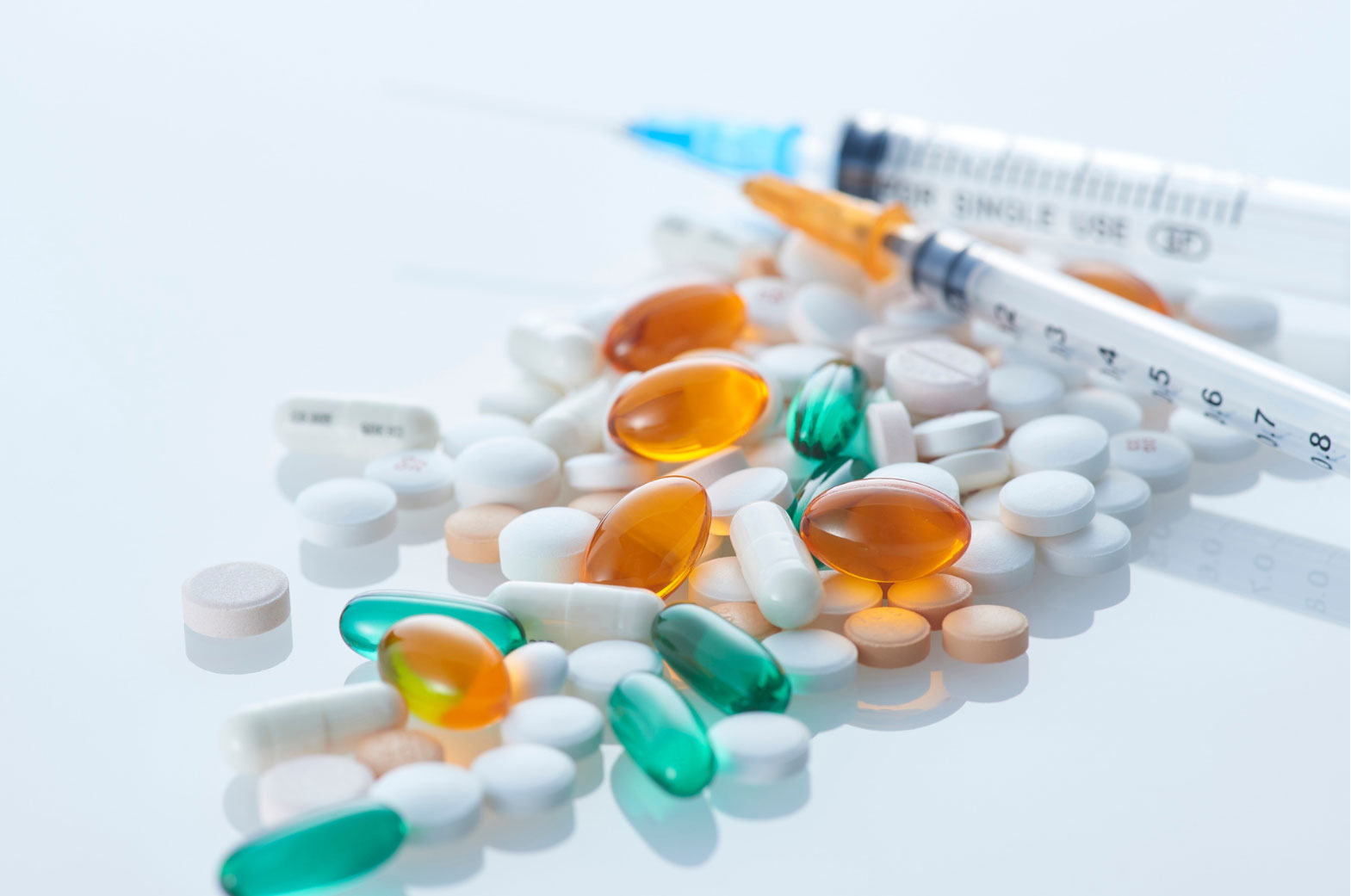
Pharmaceutical waste includes:
- Tablets and capsules
- Liquid medicines
- Vaccines
- Creams and ointments
- Empty medicine containers with residual product
- IV fluids
- Inhalers containing active ingredients