What is Anatomical Waste?
Anatomical waste is a type of clinical waste that consists of human or animal tissue, organs, body parts and other biological material generated through healthcare, medical, veterinary or laboratory activities. Anatomical waste can pose a risk to public health and the environment and beacuse of this it must be handled, stored and disposed of in accordance with strict waste management regulations.
Examples of Anatomical Waste
Examples of anatomical waste include:
- Human tissue, organs and body parts
- Placentas and associated biological material
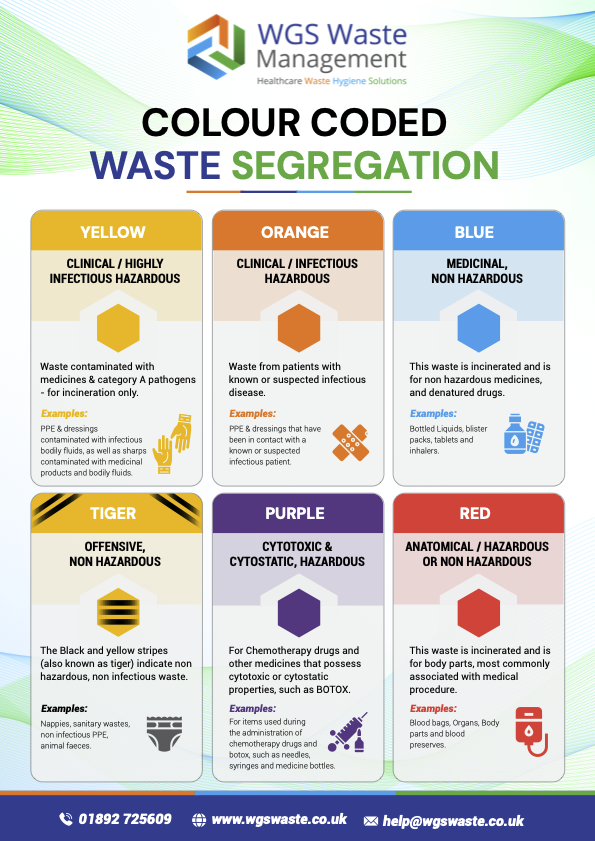
- Blood bags, blood reserves and transfusion waste
- Anatomical specimens and biological samples
- Animal tissue, carcasses and specimens
- Contaminated anatomical material